Source Waterproof Birch Plywood for Outdoor Yachts and Furniture
Compare 30 listings of waterproof birch plywood for outdoor applications including yachts, furniture, and outdoor products. These options feature E0/E1 formaldehyde standards, WBP phenolic glue, and varying ply counts to suit construction and decoration needs.
Key considerations
Products List


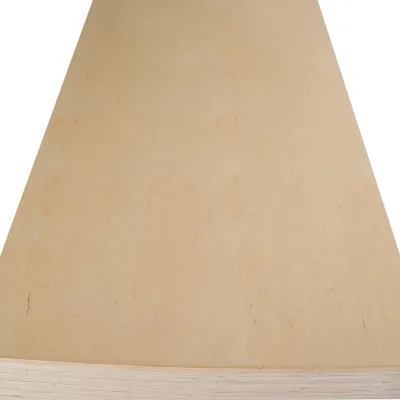
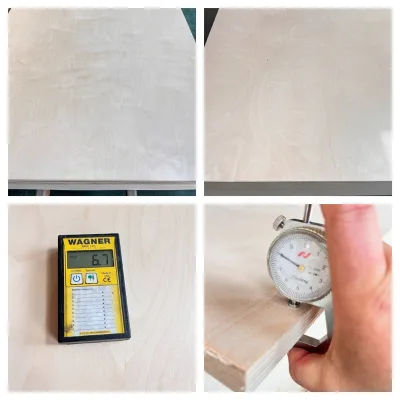


Comprehensive Sourcing Guide
Strategic Sourcing Guide for Waterproof Birch Plywood in Outdoor Applications
Understanding the Technical Profile of Outdoor-Grade Birch Plywood
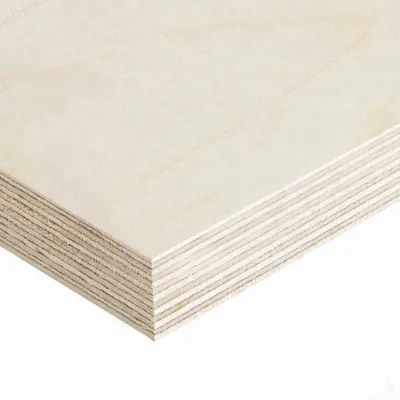
When sourcing waterproof birch plywood for outdoor applications, buyers must first distinguish between standard interior-grade panels and those engineered for exposure to moisture and environmental stress. The core material composition is the primary determinant of performance. In the context of high-performance outdoor plywood, the core structure often utilizes a combination of Eucalyptus and Birch, or in premium configurations, a Full Birch core. This selection is critical because the density and natural resin content of these species contribute significantly to the panel's resistance to delamination and rot.
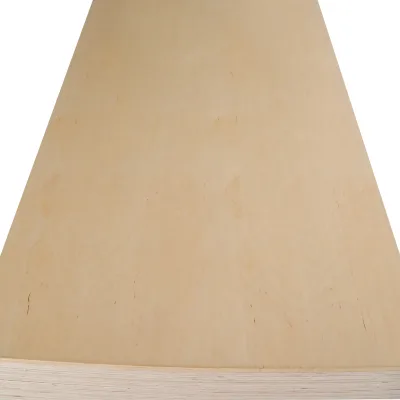
The veneer layers, specifically the face and back, are typically composed of Birch veneer, which provides a smooth, consistent surface ideal for finishing or direct exposure. The bonding strength is a non-negotiable metric for outdoor use. Buyers should verify that the adhesive system meets the requirements for exterior exposure, specifically looking for WBP (Weather and Boil Proof) Phenolic glue. This type of adhesive is designed to withstand prolonged moisture exposure without losing its structural integrity. In contrast, interior-grade panels may utilize E0 or E1 glues which are not suitable for wet environments.
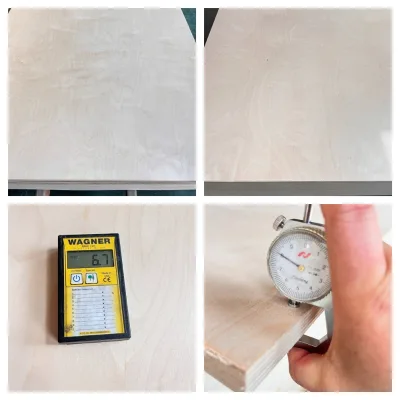
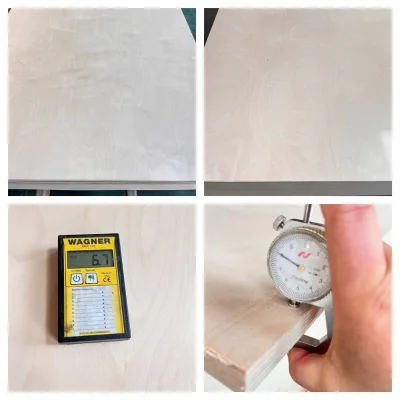
The physical specifications of the panel also dictate its suitability for specific outdoor projects. Standard dimensions often include a size of 1220mm by 2440mm, with thicknesses ranging from 12mm to 18mm, though custom requests for thicknesses such as 3mm up to 36mm are frequently available. The moisture content of the wood itself is a vital quality indicator; for outdoor stability, the moisture content should generally fall within the 8% to 12% range, though some specifications allow for a broader 6% to 14% window depending on the specific manufacturing process and intended climate. The grain structure can vary, with options for both irregular and straight grain, influencing the aesthetic finish and the mechanical interlocking of the veneers.
Compliance, Certification, and Environmental Standards
Navigating the regulatory landscape is essential for international procurement, particularly when the plywood is destined for markets with strict environmental and safety regulations. The formaldehyde emission standards are a primary compliance checkpoint. While the supply chain may offer products meeting E0 (Excellent Grade) standards, which represent very low emission levels, buyers must confirm that the specific batch intended for outdoor use adheres to the relevant regional mandates. In many jurisdictions, the EPA/Carb (California Air Resources Board) standards are the benchmark for formaldehyde emissions, and compliance is often a prerequisite for entry into North American markets.
Beyond emissions, structural and material certifications provide assurance of quality and origin. Reputable suppliers often hold certifications from recognized bodies such as FSC (Forest Stewardship Council), which verifies sustainable forestry practices, and Lloyds Register of Shipping, which is particularly relevant for marine and offshore applications. Additionally, third-party verification from SGS ensures that the physical properties of the plywood, such as bonding strength and moisture resistance, have been independently tested and validated.
The bonding strength classification is another area where compliance matters. The supply data indicates the existence of specific bonding strength ratings, such as I(NQF) and Ⅲ(Nc). For outdoor applications, the higher classification (often corresponding to exterior durability) is required. Buyers should not assume that all listed plywood meets these high standards; rather, they must explicitly request test reports or certification documents that confirm the panel has passed the specific bonding strength tests required for exterior exposure. The presence of a "Warranty" period, often cited as 1 year, can also serve as a proxy for the manufacturer's confidence in their product's durability, though this should be weighed against the specific technical specifications of the glue and core.
Cost Drivers and Pricing Variables in the Supply Chain
The price of waterproof birch plywood is influenced by a complex matrix of variables, ranging from raw material scarcity to logistical costs. The observed price range in the market can be substantial, spanning from approximately $4 to $450 per unit, depending heavily on the thickness, grade, and specific customization required. A 12mm panel will naturally cost less than a 25mm or 30mm panel, but the cost differential is also driven by the core composition. A "Full Birch" core is generally more expensive than a mixed Eucalyptus and Birch core due to the higher density and cost of the raw birch timber.
Minimum Order Quantity (MOQ) is another significant cost driver. The market data suggests an MOQ range from 1 unit to 1000 units. For smaller projects or trial orders, buyers may face higher per-unit costs due to the lower volume efficiency. Conversely, bulk procurement can significantly reduce the unit price, but it requires a larger upfront capital outlay and storage capacity. The customization factor also plays a role; while customization is available, requests for non-standard sizes, specific veneer grades, or unique surface finishes (such as double-sided decoration) can incur additional processing fees.
Logistics and packaging add further layers to the final landed cost. The standard packing method involves wood pallets and export-standard packaging designed to protect the panels during transit. However, for large-scale projects, the cost of freight from the origin, typically identified as Linyi, China or other regions in Shandong, China, must be factored into the total budget. Lead times, which are typically within 15 days for standard orders, can fluctuate based on seasonal demand and raw material availability. Buyers should also consider the "project solution capability" of the supplier, such as graphic design services, which might be included in the price for complex architectural projects but could be an add-on cost for standard orders.
Typical Applications and Performance Expectations
Waterproof birch plywood is a versatile material deployed across a wide spectrum of outdoor and high-moisture environments. Its applications extend far beyond simple construction, finding critical use in sectors where durability and aesthetic appeal are paramount. One of the most demanding applications is in the marine industry, where the plywood is used for the construction of yachts and dock structures. In these environments, the material must resist constant immersion in water and exposure to salt spray, making the WBP Phenolic glue and the specific core composition essential.
In the realm of architecture and interior design, the material is frequently utilized for villa decoration and outdoor flooring. The "Contemporary" design style often associated with this plywood allows it to blend seamlessly into modern architectural projects. The surface finish, which can be left unfinished or subjected to double-sided decoration, offers flexibility for various design intents. For audio equipment, the specific density and grain structure of birch plywood provide the necessary acoustic properties, making it a preferred choice for high-end speaker cabinets and audio enclosures.
Other notable applications include the manufacturing of wooden toys, carvings, and furniture designed for outdoor use. The "First-Class" grade of the material ensures that these products are not only durable but also safe for human contact, particularly in the case of toys. The versatility of the product is further highlighted by its use in offshore construction and general outdoor products. However, buyers must align the specific grade of the plywood with the intensity of the application. For instance, a panel used for a decorative outdoor feature may not require the same level of bonding strength as a panel used for a structural dock component.
Supplier Evaluation and Factory Verification
Selecting the right supplier is as critical as selecting the right product. The supply chain for birch plywood is dominated by manufacturers located in specific industrial hubs, with Linyi and Shandong, China, being prominent origins. Buyers should prioritize suppliers who operate their own factories, as indicated by the "Factory: Yes" attribute. Direct factory sourcing often ensures better quality control, more competitive pricing, and greater flexibility in customization compared to trading companies.
Experience is a key metric for supplier reliability. A supplier with nearly 20 years of experience in the industry is likely to have refined their manufacturing processes and quality assurance protocols. This longevity often correlates with a more stable supply chain and a deeper understanding of the technical nuances of plywood production. Furthermore, the availability of after-sales support, such as online technical support, is a valuable asset for buyers who may encounter installation issues or require guidance on finishing techniques.
When evaluating a supplier, buyers should verify their certification status and their ability to provide documentation for the claims they make. A reputable supplier will readily provide FSC, EPA/Carb, and SGS certificates. They should also be transparent about their production capabilities, including their ability to meet specific thickness requests and their standard delivery times. The "project solution capability" of the supplier, such as offering graphic design services, can also indicate a higher level of service and a more collaborative approach to procurement.
Quality Control and Long-Term Procurement Considerations
Implementing a robust quality control (QC) strategy is essential to mitigate the risks associated with sourcing plywood from overseas. Buyers should establish clear acceptance criteria based on the technical specifications provided, including moisture content, bonding strength, and formaldehyde emission levels. Regular third-party inspections, such as those conducted by SGS, can provide an additional layer of assurance before the goods leave the factory. It is also crucial to verify the packaging integrity; the use of wood pallets and export-standard packaging is standard, but buyers should ensure that the packaging is sufficient to prevent damage during long-distance shipping.
Long-term procurement considerations involve building a sustainable relationship with the supplier. This includes negotiating favorable terms for repeat orders, such as consistent lead times and volume-based pricing. The "warranty" offered by the supplier, often cited as 1 year, should be clearly understood in terms of what it covers and the process for filing a claim. Buyers should also consider the environmental impact of their procurement decisions, prioritizing suppliers who adhere to sustainable forestry practices and hold relevant environmental certifications.
Finally, buyers must remain vigilant regarding the variability in product attributes. Not every listed product in a supplier's catalog will satisfy every specification. For example, while some panels may feature an irregular grain, others may have a straight grain. Similarly, the glue type may vary between WBP Phenolic and other options depending on the specific order. By maintaining a clear understanding of these variables and demanding evidence for every claim, buyers can ensure they receive high-quality, waterproof birch plywood that meets the rigorous demands of outdoor applications.
| Attribute Category | Key Specification | Verification Requirement |
|---|---|---|
| Core Material | Eucalyptus+Birch / Full Birch | Request core cross-section samples |
| Adhesive Type | WBP Phenolic | Verify glue certification for exterior use |
| Formaldehyde | E0 / EPA/Carb | Demand SGS or EPA test reports |
| Moisture Content | 8%-12% (or 6%-14%) | Check mill test certificates |
| Bonding Strength | I(NQF) / Ⅲ(Nc) | Confirm specific grade for outdoor use |
| Dimensions | 1220*2440mm (Custom available) | Verify thickness tolerance |
| Certification | FSC, Lloyds, SGS | Validate current certificate dates |
| Origin | Linyi, China / Shandong | Confirm factory location and capacity |
FAQs
What glue types are used for waterproof birch plywood?
WBP Phenolic glue is used for exterior durability, while E0 and E1 glues are available for specific requests. Buyers must verify the adhesive type matches the intended outdoor exposure to ensure resistance against moisture and delamination.
Which core materials are available for outdoor birch plywood?
The core typically consists of Eucalyptus plus Birch or Full Birch options. This composition provides the necessary density and natural resin content to withstand environmental stress and prevent rot in outdoor applications.
How long is the delivery time for standard orders?
Delivery is normally within 15 days for standard orders. This timeline may fluctuate based on seasonal demand and raw material availability, so buyers should confirm current lead times before placing bulk orders.
Can I request custom thicknesses for this plywood?
Yes, thickness can be customized according to your request, ranging from 3mm to 36mm. Standard dimensions like 12mm and 18mm are common, but non-standard sizes are available to meet specific project requirements.
What certifications do the suppliers hold for this product?
Suppliers hold certifications including FSC, EPA/Carb, Lloyds Register of Shipping, and SGS. These documents verify sustainable forestry practices, formaldehyde emission levels, and structural integrity for international compliance and marine applications.
Where are the factories located that produce this plywood?
Factories are located in Linyi, China, and other regions in Shandong, China. Buyers should prioritize suppliers with factory status to ensure better quality control and direct pricing compared to trading companies.
What is the minimum order quantity for this product?
The minimum order quantity ranges from 1 to 1000 units depending on the supplier. Smaller orders may incur higher per-unit costs, while bulk procurement can significantly reduce the price per panel.